Frequently Asked Questions (FAQ)
What is the chromite recovery efficiency rate of the TES-SAN separation line?
Our system effectively classifies and separates mixed mold sand streams, achieving an outstanding 95% to 99% chromite recovery efficiency without material loss or sand grain breakdown.
Why is chromite sand utilized as a facing shell layer in heavy casting flasks?
Chromite displays significantly higher thermal conductivity and fusion points than standard silica sand. It is used as a facing shield to absorb intense heat waves and block chemical sand burn-in defects.
How does recycled chromite sand perform regarding casting surface finish?
The reclaimed chromite sand processed by our system retains its raw structural properties perfectly. When reused, it provides excellent mold permeability and ensures a flawless, smooth casting finish.
How does separating these two sands impact general foundry profitability?
Chromite is a premium, highly priced raw material globally. Harvesting this sand at a 95-99% efficiency rate allows foundries to dramatically slash their taze sand procurement and logistics investments.
Does TES-SAN deliver fully turnkey chromite sand reclamation projects?
Yes. Established in 1994 in Konya, TES-SAN utilizes its 12,000 m² advanced manufacturing facility to engineer fully integrated Sand Recovery Systems. The lifecycle from layout design to PLC automation and operator training is delivered under a single source.
People Also Ask - PAA
What is the function of a chromite separator in a sand casting foundry?
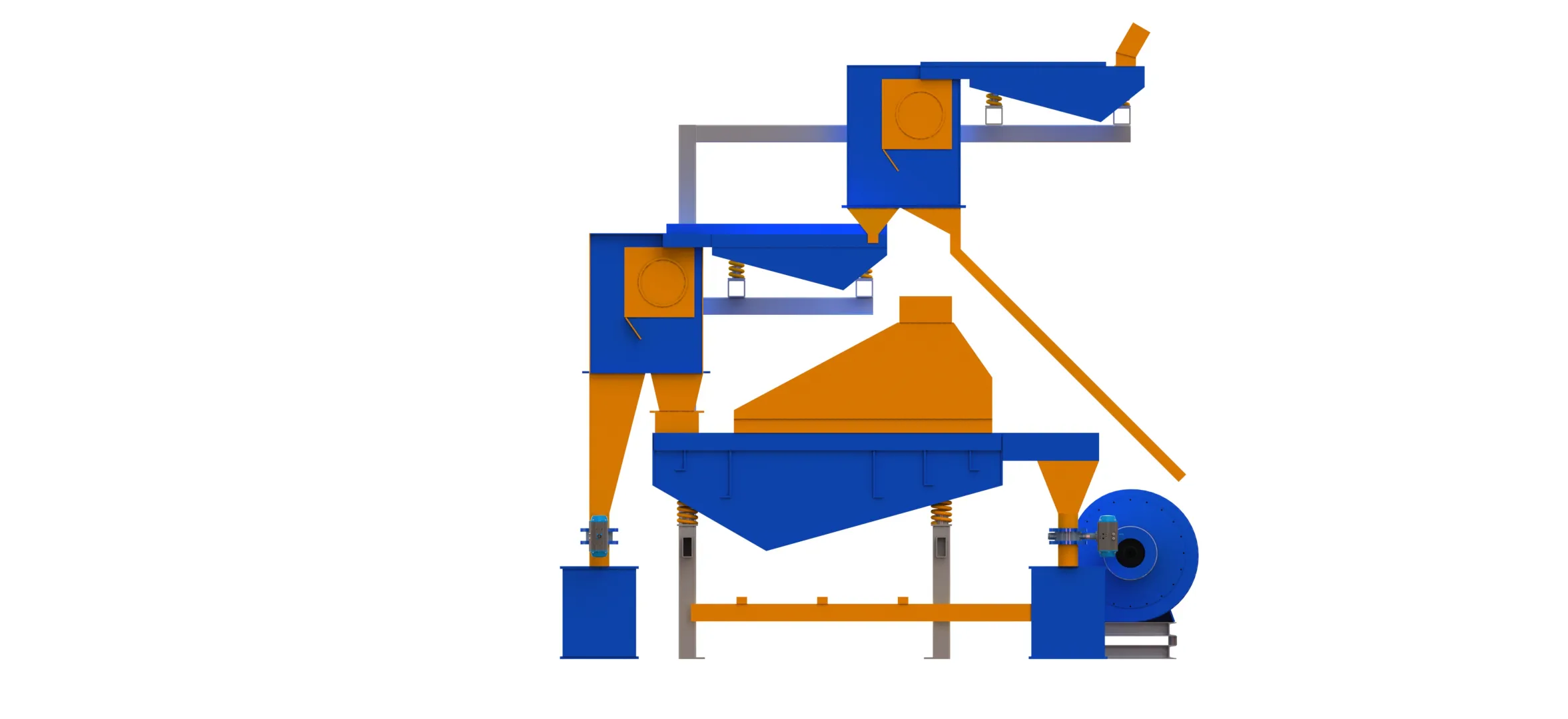
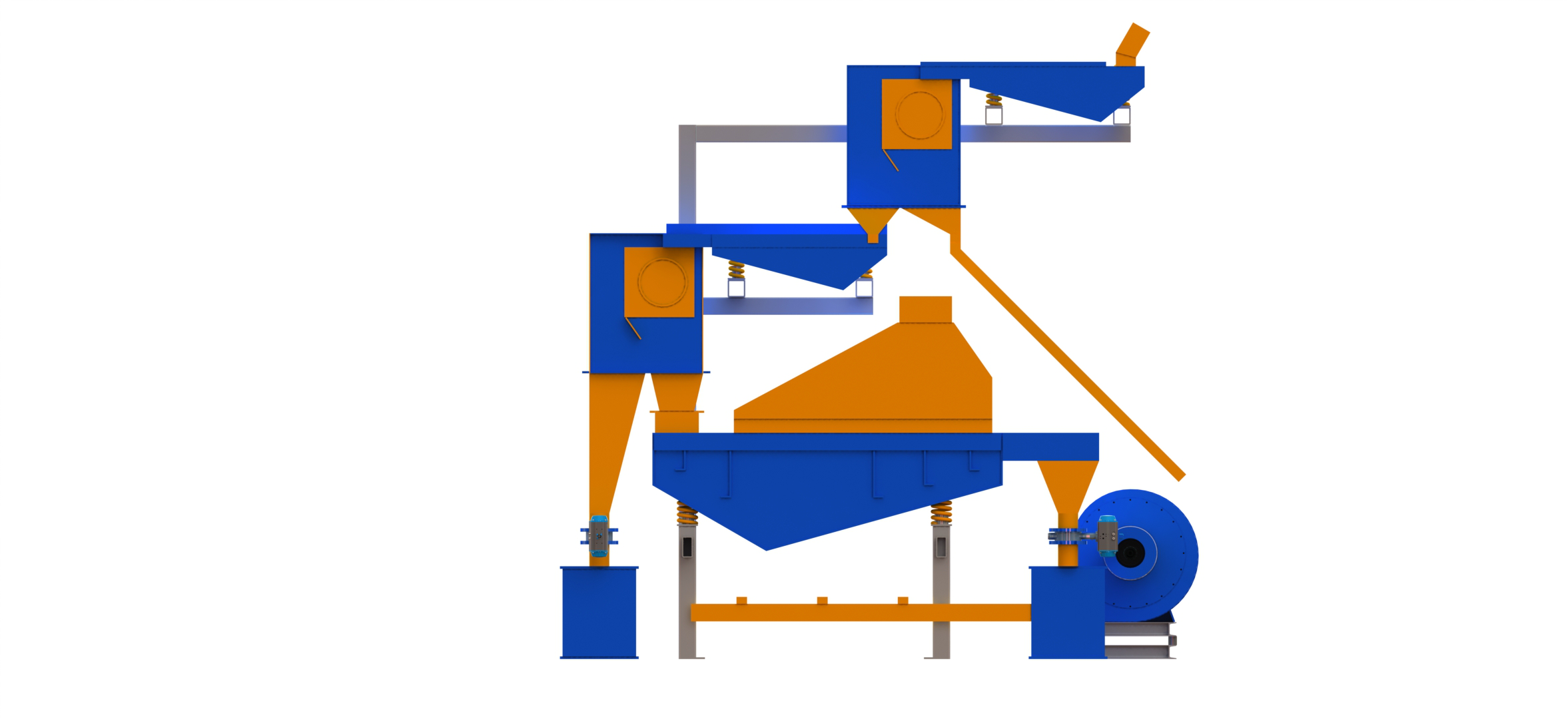
A chromite separator processes mixed sand fractions from the shakeout utilizing mechanical fluidization and high-intensity magnetic drums. It screens out heavy chromite particles from silica streams, routing them into independent storage silos.
Which metal casting sectors require a dedicated chromite recovery plant?
Foundries producing heavy machinery parts, automotive components, large industrial valves, and high-manganese steel castings require these systems to balance material consumption costs.
How do integrated sand recovery plants influence global factory sustainability?
By preventing valuable industrial sands from being sent to waste dumps, they reduce hazardous solid waste footprints. This closed-loop recycling optimizes raw material supply lines and reduces factory carbon metrics.