EN

Automatic Dosing System — Precision Resin Control for Sand Casting Foundries

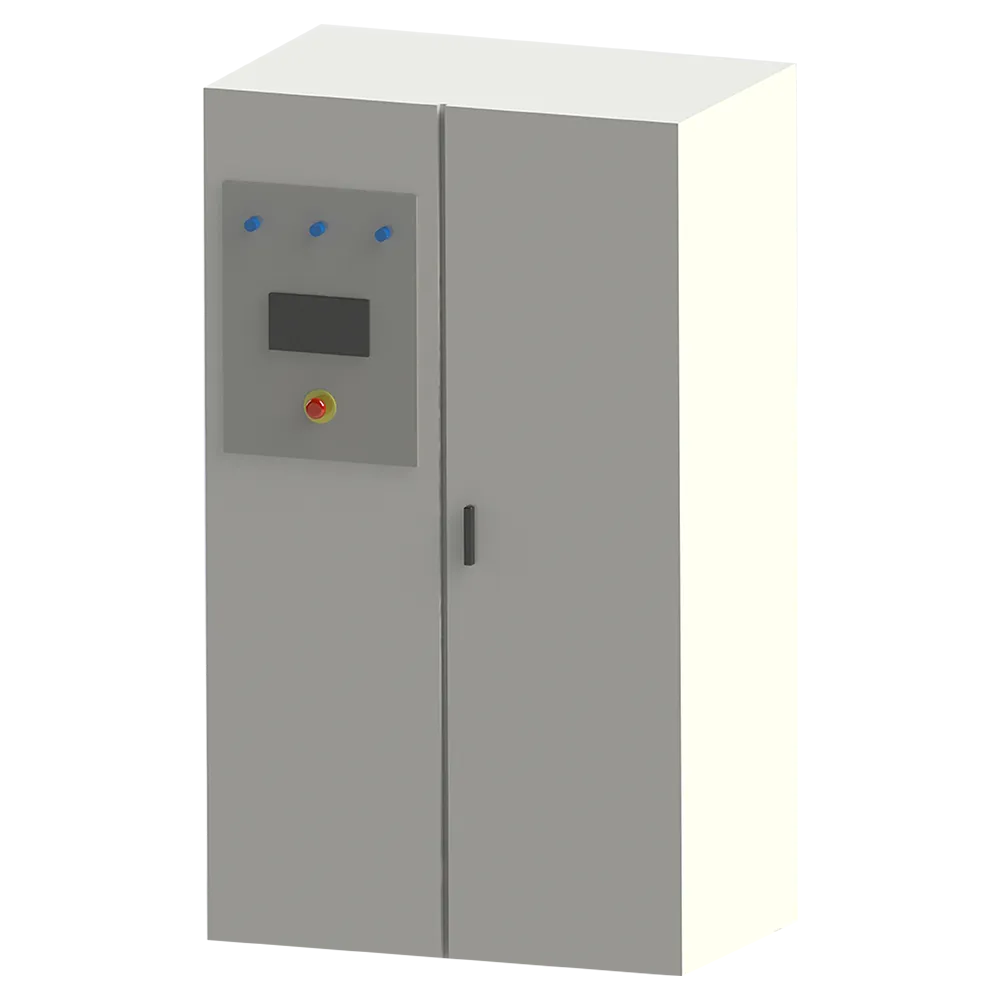
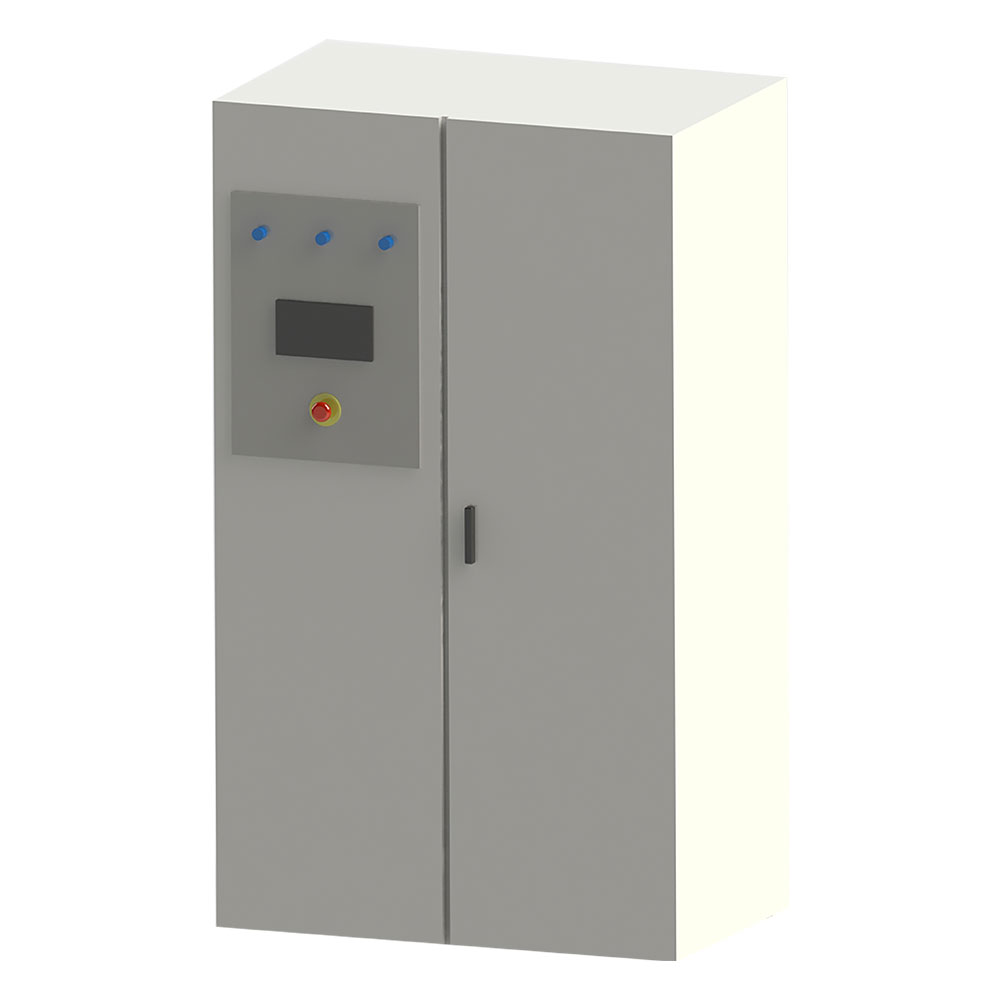
The TES-SAN Automatic Dosing System is a fully in-house manufactured unit that automatically adjusts resin and catalyst ratios based on ambient temperature — ensuring consistent sand setting times across your entire sand casting process without operator intervention.

What Does an Automatic Dosing System Do in a Sand Casting Foundry?

An automatic dosing system controls the precise delivery of resin, hardener (catalyst), and sand in the sand preparation process. By eliminating manual measurement, it prevents the batch-to-batch inconsistencies that lead to casting defects and excess chemical consumption in sand casting operations.

TES-SAN's Auto Blending technology compensates for ambient temperature fluctuations — a primary cause of setting time variation in resin-bonded sand casting equipment.

  • Dual hardener pump configuration for two-catalyst control

  • Temperature-based auto adjustment — no operator input required

  • Integrated alphaset resin, furan resin, and catalyst pumps

  • Real-time material consumption reports for cost tracking

Automatic Dosing System vs Manual Dosing — What Is the Real Difference?

Criterion

Automatic Dosing

Manual Dosing

Resin Savings

✅ 15–25% reduction

❌ High waste risk

Temperature Adaptation

✅ Auto-adjusting

❌ Operator dependent

Batch Consistency

✅ Stable setting time

❌ Variable output

Cost Reporting

✅ Real-time data

❌ Manual logging

Human Error Risk

✅ Eliminated

❌ High


Which Sand Casting Resin Systems Is It Compatible With?

The system is engineered to work with the most widely used foundry binder technologies in sand casting equipment:

  • Alphaset (no-bake) resin systems

  • Furan resin systems

  • High-capacity lines requiring dual hardener control

The Auto Blending System is included as standard across all TES-SAN mixer models — including twin-arm spiral, twin-arm belt, portable, and rail mixers.

Can the Automatic Dosing System Be Retrofitted to an Existing Sand Casting Line?

Yes. TES-SAN engineers can integrate the automatic dosing unit into existing mixer lines without requiring full system replacement. A retrofit option is available, making it a practical upgrade for any sand casting foundry seeking to improve process control without major capital expenditure.


Frequently Asked Questions (FAQ) — Automatic Dosing System

How much can the automatic dosing system reduce resin consumption?

Compared to manual dosing, the system reduces resin and chemical consumption by 15–25%. This translates directly into measurable annual savings on foundry chemical costs in sand casting operations.

Why are dual hardener pumps important for sand casting equipment?

Two independent hardener pumps allow the system to use different hardener blends based on current ambient temperature. This ensures the sand setting time remains constant whether the foundry is running in cool morning conditions or peak afternoon heat.

Is specialist training required to operate the system software?

No. The TES-SAN control software is designed for foundry floor use — intuitive screens and fast-access menus allow daily operation without technical expertise.

How are material consumption reports generated?

The system automatically logs resin and catalyst quantities used in each production run. Reports are accessible directly from the control panel and can be exported for ERP integration.

Does the auto blending system come standard with all TES-SAN mixers?

Yes. The Auto Blending System is included as standard with all TES-SAN mixer models at no additional cost — making it the baseline for every sand preparation system delivered.

People Also Ask (PAA) — Automatic Dosing System

What is the difference between furan and alphaset resin in sand casting?

Furan resins offer high thermal resistance and excellent surface finish for sand casting steel components, while alphaset (no-bake) systems provide faster setting times and a more favorable environmental profile. TES-SAN dosing infrastructure is compatible with both.

How does temperature affect resin-bonded sand casting quality?

Higher ambient temperatures accelerate the chemical reaction between resin and hardener, shortening the working time and setting time. Without temperature-compensated dosing, this causes premature sand hardening and defective sand casting parts.

What is the green sand casting process and how does dosing differ?

Green sand casting uses clay and water as binders — no chemical dosing pump is required. Resin-bonded sand casting (no-bake) requires precise catalyst dosing, which is where TES-SAN's Automatic Dosing System delivers its greatest value.